
As we move deeper into 2026, website design is becoming more strategic, immersive, and exceptionally user focused. Web design experts in Windsor are shifting from creating sites that act as simple digital brochures, to sites that serve as sales tools, recruiting platforms, and customer service hubs – a complete brand experience rolled into one. Companies, both in Canada and the U.S., are taking stock of their online brand, and are starting to look towards the latest web design trends that indicate engagement, accessibility, speed, and other key elements that will eventually be redesigned. Whether your business is a new startup in Windsor, or an established brand out of Toronto, being on top of these upcoming trends is incredibly crucial – especially if you are currently looking for expert web designers in Windsor. In this blog, dive in the top web design trends of 2026 that are reshaping how we build and experience the digital world.
AI-driven personalization
Artificial Intelligence (AI) is no longer just a buzzword. It is today’s propelling force behind modern web design. From dynamic content generation to predicating user behavior, AI is fueling all of it in 2026. Today, sites are able to adjust in real-time and can make tailored product recommendations, provide personalized responses to each customer, and conduct searches based on AI. One of the most impactful benefits of AI in modern web design in Windsor is AI-driven personalization.
AI-driven personalization can significantly impact lead generation, by allowing the website to adapt to each site visitor, which results in a personalized user experience. Traditional sites usually offer the same messaging, layout, and content to all customers, regardless of what the customer is searching for. AI-driven personalization analyzes user behavior, search intent, location, and browsing patterns to help the site provide tailored and relevant content. This results in visitors having their questions answered immediately – since AI-driven personalization can automatically prioritize and display the most relevant content based on the visitor’s query – making them more likely to stay on the site, trust the business, and eventually book a job. Instead of forcing users to manually go through the webpages to find the answer, AI-driven personalization allows the site to guide the user. Today’s SEO experts in Windsor know that AI-driven personalization is not only a matter of convenience — it is the effort to foster a digital experience that feels both natural and human. AI is not replacing web designers — it’s augmenting the user experience.
Immersive 3D and micro-animations
Flat and simple web design is fading. Instead, web designers are now opting in for a more interactive and engaging style, by implementing:
- 3D elements, which help visual components appear three-dimensional on a 2D screen. For example, adding dark shadows underneath images and/or icons, adding texture to the background, and using gradient colors instead of solid colors.
- Micro-interactions, the small animations that happen when a user engages with the website, which help with creating a smoother and more interactive user experience. For example, a CTA button changing color when clicked, a form field turning red after an invalid input, and a heart icon animating when clicked.
- Scroll triggered animations, which help bring the website to life by revealing the content piece-by-piece depending on the user’s position on the site. For example, the text fading and/or appearing when the user scrolls up or down.
These animations aren’t simply decorative fixtures used by Web Developers in Windsor. They help guide users, highlight essential actions, and facilitate a smooth navigation flow. Animation should add to, and not detract from, the core message. Look for continued use of Web-generated visuals, animated product demos, and interactive storytelling that keeps users on site longer.
Voice-activated interfaces (Voice Search)
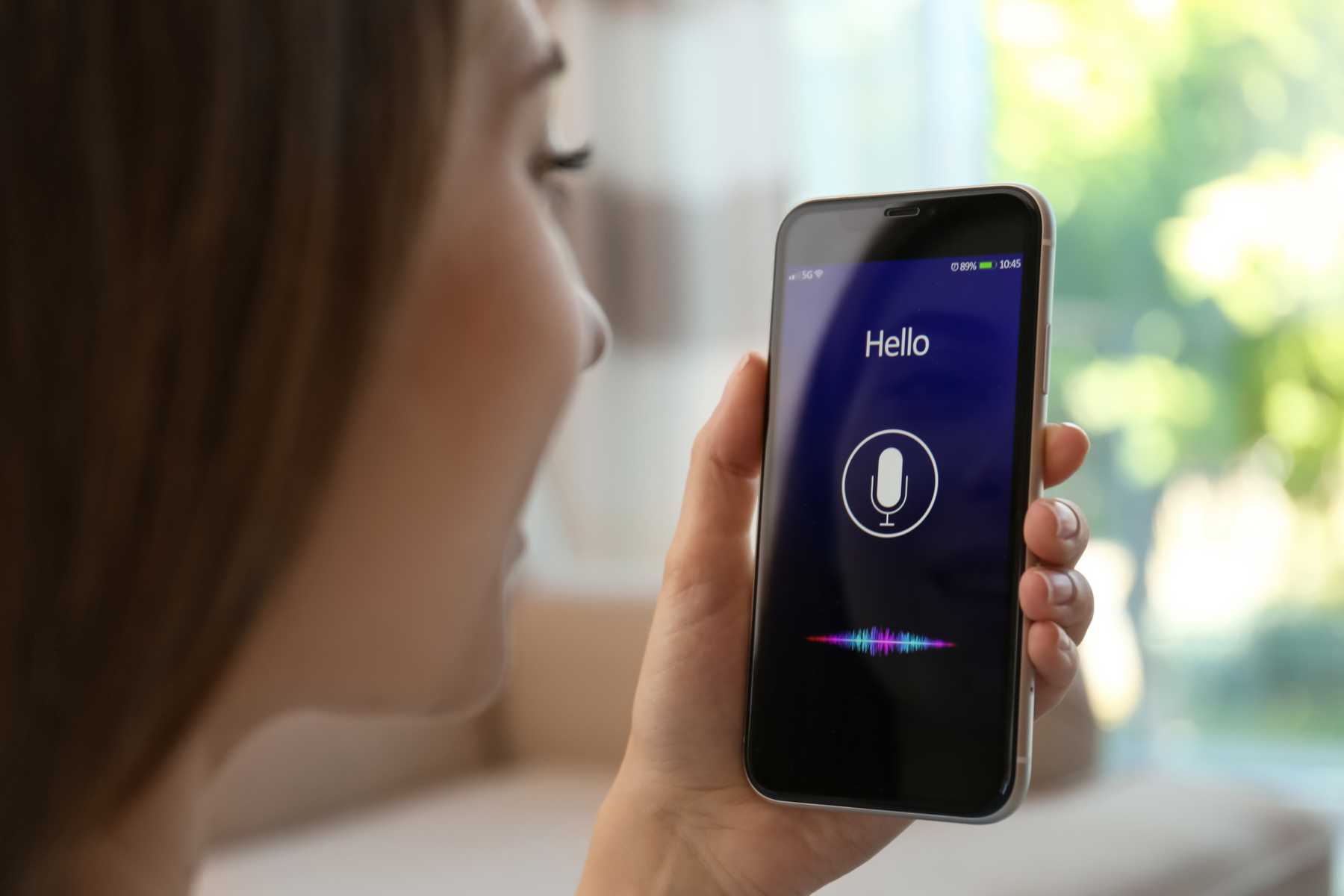
As smart speakers and voice assistants become fixtures in more homes, voice user interface (UI) is destined to seep into web design. In 2026, web designers are beginning to incorporate voice search-enabled navigation to with the goal of enhancing both accessibility and user convenience. This can power powerful micro interactions in a mobile-first world and for people with disabilities, thus creating a more inclusive and future-proof website.
Quote of the moment: “Designing for voice is designing for everyone.”
Sustainable web design
More web designers are becoming conscious of the impact web design has on the planet. Brands are beginning to code their sites to ensure that they: use as little energy as possible, load in a fraction of the time, and consume less data. This eco-minded approach to web design includes selecting a green hosting company, compressing media files, and optimizing code, which results in a faster website that consumes less server power and bandwidth, and smoother user experience. As well, search engines such as Google reward high-performing sites with stronger search ranking positions. Sustainability is excellent for the planet, and it’s also great for business. So, let’s reduce your carbon emissions, while our SEO experts in Windsor also enhance your SEO and user stickiness.
Modular design systems
Modern web design is shifting from stiff and artificial templates to modular design systems. A modular web design system uses reusable sections, like buttons, headers, layouts, across many webpages, while looking clean and consistent. The goal with modular design systems is to enable adaptable, scalable, and consistent web development. This approach facilitates easy updates, ensures brand consistency, and eliminates the need for back-and-forth communication between designers and web developers in Windsor. For companies with long-term digital growth ambitions, modular systems are an essential requirement.
Web Geeks insight: One-time build and forever scale.
Radical accessibility
Accessibility is no longer an advantageous feature to have for a site. In today’s world, accessibility has become an ethical obligation, the law. Web designers and web developers are creating sites that allow for accessibility as a default, by offering users easy-to-use features such as keyboard navigation, screen readers, and high contrast modes. Not only does accessibility grow your audience, since customers with disabilities are now able to access and navigate your company’s website, but it also shields your brand from the liability of regulatory violations.
Having an accessible website not only helps to improve the overall user experience, but also helps with the site performing better in search engine rankings; since search engines prioritize sites that are user-friendly, easy to navigate, and structured in ways that allows content to be easily accessed and understood, sites that are built on accessibility achieve high rankings and consequently more customer traffic.
An accessible website also builds trust with customers, as they are more likely to choose the site that is easy to navigate and interact with, across all devices and user needs. Essentially, accessibility means usability for everybody.

Web3 and blockchain integration
As more users develop online privacy and cybersecurity concerns, many businesses are starting to explore how decentralized technologies can be used to create safer and more trustworthy digital experiences. This is where Web3 and blockchain integration technology comes into play.
Web3 technology is where users have more control over their data – for example a social media platform giving users the option to set their profiles either public or private – and digital interactions – how users are able to comment, message, like, etc. Blockchain integration is the process of adding secure digital record-keeping technology to websites and applications to strengthen security, transparency, and trust. The goal of blockchain is to make verified information hard to alter, by creating a secure digital record system that stores data across decentralized networks. Essentially, blockchain integration is like adding a secure digital lock on digital information, protecting user data.
Emerging but applicable, primarily in e-commerce, finance, and content platforms. Web3 and blockchain integration technology are keen on future-proofing infrastructure.
Web Geeks forecast: Web3 is the next frontier — adventure awaits!
Dark mode and dynamic UI
Dark mode is useful — so much so that it’s more than just a trend. Users now expect interfaces to be tailored based on their context and preferences. If we were to look into the future, 2026 and beyond will most likely introduce websites that feature dynamic themes, that can adjust according to the time of day, ambient light, or personal preferences. The purpose behind dark mode is to make reading digital text easier and with less strain on the eyes, with a cool and modern look.
Quote of note: “Design that adapts is design that endures.”
Augmented Reality (AR) integration
Augmented reality (AR) is no longer a feature of gaming and/or mobile apps. In 2026, web designers are utilizing AR to offer potential customers virtual try-ons and interactive product demonstrations. This results in an immersive brand experience for users that reduces uncertainty during the sales process, and gives customers the confidence to take action. Think of a website of a furniture store that lets you to virtually place a couch in your living room, or a fashion retailer site that allows you to virtually try out outfits. Essentially, AR creates an interactive and engaging experience for potential customers, helping businesses gain customer trust and consequently stand out from competitors in today’s digital marketplace. It is these experiences that drive conversions and reduce the rate of returns. AR turns internet browsing into experiencing.
No-code and low-code platforms
Empowering non-developers to create and maintain websites is revolutionary. No-code and low-code platforms are democratizing the web development process, allowing marketers, entrepreneurs, and creators to launch digital experiences with minimal code.
Customization is still crucial for more complex projects, but these no-code and low-code platforms offer tools that are fantastic for getting something going quickly and for small business websites.
Web Geeks’ advice: No-code for speed—custom code for power.
Why these trends matter for businesses
Trends are not just about “looking” up-to-date — they are about staying current. In 2026, websites have to be fast, personalized, accessible, and immersive. If your website fails on any of these traits, your company will definitely miss out on credibility amongst potential customers, traffic, and conversions. That’s why now, more than ever before, it’s crucial to invest in modern website design in Windsor. At Web Geeks, we don’t just keep up with the latest trends; we set those trends.
Ready to future-proof your website?
Whether you’re an entrepreneur launching your first venture or the Innovation lead at a Fortune 500 company, in today’s market your company website is the customer’s first impression of you, and often your competitive advantage. That’s why modern website design requires more than creativity alone; it requires strategy, performance, and a proper understanding of how customers interact with businesses online. As web design evolves through AI-driven personalization, immersive experiences, accessibility, and other emerging technologies, businesses must invest in their websites to attract their ideal customers, and generate leads.
At Web Geeks, our team of web designers, web developers, and SEO experts here in Windsor stays on top of the latest web design trends, technologies, and strategies to help growing businesses remain competitive in today’s evolving online landscape. Whether your company is modernizing its outdated website, or developing a completely new and fresh digital presence, Web Geek is here to turn today’s trends into real-world marketing impact for you.
Let’s build something extraordinary — together. Begin with Web Geeks.
FAQs
1. What web design trend will have the biggest impact on businesses in 2026?
AI-driven personalization is expected to have one of the biggest impacts on businesses in 2026. By adapting website content, messaging, and user experiences based on visitor behaviour, businesses can create more relevant interactions, improve engagement, and increase conversions.
2. How often should a business redesign its website?
Most businesses should evaluate their website every 2–3 years to ensure it remains competitive, secure, mobile-friendly, and aligned with current user expectations. While a complete redesign may not always be necessary, regular updates to design, functionality, content, and performance are essential for maintaining strong search visibility and customer engagement.
3. Why is website accessibility important for SEO?
Website accessibility helps ensure all users, including those with disabilities, can easily navigate and interact with your website. Many accessibility best practices—such as clear navigation, proper heading structures, mobile responsiveness, and descriptive content—also help search engines better understand your site, which can contribute to improved search rankings and a better user experience.